
Can Any Roof in Apalachin Support Solar Panels?
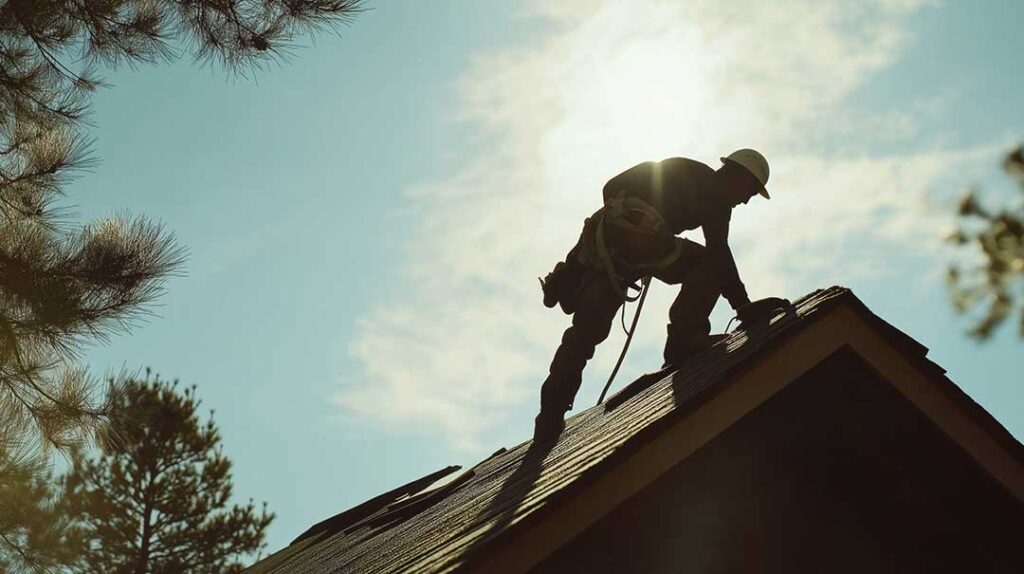
Most roofs in Apalachin can accommodate solar panels, but not every home is ideally suited. A brief evaluation of your roofing material, pitch, and age is essential before proceeding. Asphalt shingles, the most common local choice, generally pair well with solar installations. Metal roofs also perform reliably. However, slate or wood shakes may require extra care due to their fragility and fire safety concerns.
Roofs with minimal shade from tall trees or adjacent structures receive better sunlight, which increases efficiency. South-facing and gently sloped surfaces typically yield the best solar potential. If a roof is nearing the end of its useful life or already has signs of leaks or damage, it’s best to address repairs or replacement before adding panels.
How Will Solar Panels Affect Roof Lifespan?
Properly installed solar panels can shelter the underlying roof, reducing wear from direct sunlight and precipitation. However, poorly mounted panels or rushed installations can compromise shingles, allow water infiltration, or even void manufacturer warranties.
Modern racking systems for solar avoid unnecessary holes or punctures, but flashing and sealing are critical for performance, especially with frequent freeze-thaw cycles experienced in the winters typical of Apalachin. Extra care should be paid to prevent trapped moisture, which can worsen ice damming or rot in the local climate.
What Local Weather Challenges Should Be Considered?
Apalachin sees snowy winters, regular freeze-thaw shifts, and occasional windstorms. These conditions require solar panel systems and their mounts to be rugged and securely attached. Heavy snow loads place additional stress on both panels and supporting rafters.
Some panels are installed with snow guards to prevent sliding sheets of snow, a concern in areas with pitched roofs. Prolonged ice accumulation or wind-driven debris can affect longevity. There is minimal day-to-day maintenance for panels themselves, but regular winter checks for snow buildup on panels may improve performance, as heavy snow will temporarily block sunlight.
Will Solar Panels Void a Roof Warranty?
Roof warranties vary widely. In Apalachin, many shingle manufacturers provide warranties ranging from 20-50 years. Adding solar panels could affect coverage—especially if the installer modifies, punctures, or improperly mounts systems on the shingles.
Homeowners should review their documentation before proceeding and ensure any modifications comply with warranty terms. Some roof manufacturers list approved installation methods that must be followed to retain full coverage.
Should the Roof Be Replaced Before Installing Solar Panels?
If a roof will need to be replaced within the next 5-10 years, it is often most practical for local homeowners to handle replacement or repairs first. Removing and reinstalling solar arrays is costly and time-consuming, often requiring new mounting hardware and added labor. Most solar panel systems are expected to last 25 years or more, so ideally, a roof should be in good condition before installation to avoid avoidable disruptions or expenses later.
Commonly, area homeowners pair new roofs with solar installations, especially when taking advantage of local or federal incentives. Carefully timed projects can save considerable hassle and cost.
How Do Solar Installations Affect Roof Insurance?
Solar panels are typically considered a structural upgrade. Some insurance policies automatically increase coverage or replace value, while others require notification or additional coverage for rooftop panels. Homeowners in the area should check with their insurance provider to clarify how a new solar array will be covered before installation.
A clear record of the system’s specs and value, plus details on the installation, will simplify any future claims for storm or fire damage. Also, insurance may cover removal and reinstallation if panels need to be taken down for covered roof repairs.
What Maintenance Issues Should Local Residents Expect?
Solar panels require little active maintenance beyond regular visual checks. In Apalachin’s climate, periodic assessment after major storms, wind events, or ice build-up is sensible. It’s also recommended to monitor roof drains and gutters, as panel mounting hardware can occasionally shift debris. If cleaning is desired, avoid abrasive tools or pressured water, which could loosen mounting systems or damage shingles.
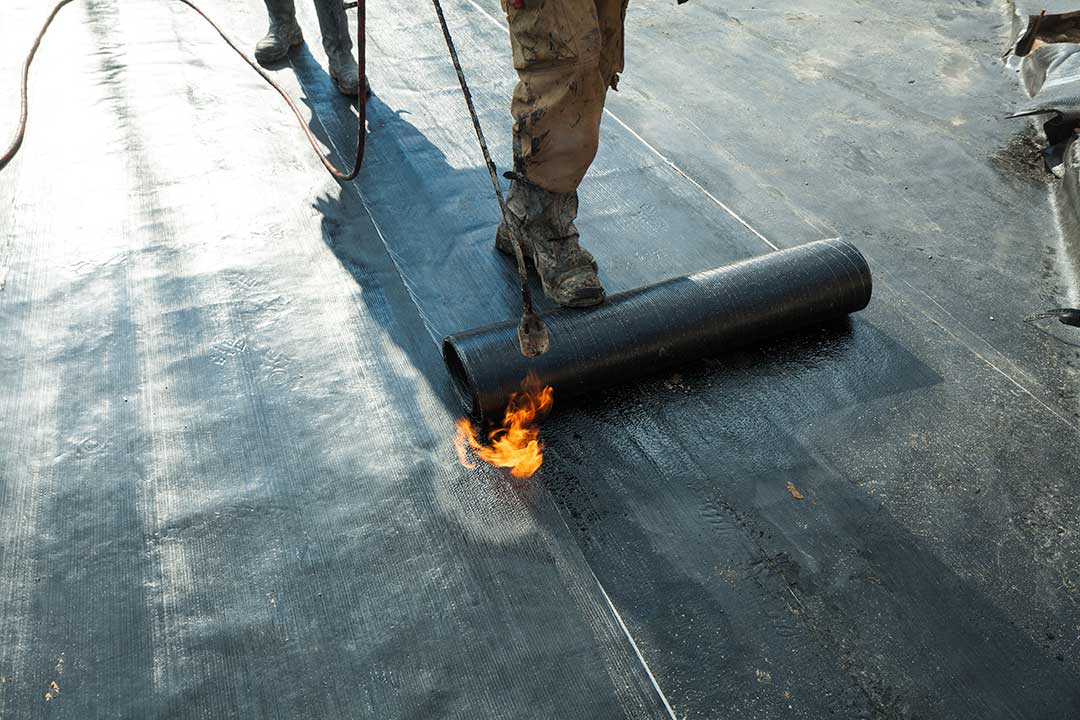
Most issues uncovered in routine checks can be traced back to either mounting points or areas where water may collect. Every few years, it may be useful to have flashing and seals checked for ongoing watertightness by someone familiar with both local roofing and solar setups.
Are There Local Regulations or HOA Restrictions About Solar?
In Apalachin, solar installation is generally allowable for residential homes, but local building codes must be followed. Installations typically require permits and inspections to ensure that both electrical and structural standards are met. Some homeowners’ associations (HOAs) may also set conditions concerning the appearance or placement of panels, particularly those visible from the street.
Before finalizing a project, consult with municipal authorities or relevant community organizations to verify specific compliance needs or restrictions in a given neighborhood.
Can Solar Panels Be Installed on Older and Historic Homes?
Many older homes in the local area have unique rooflines or aging materials that can complicate solar installation. It’s possible, but additional structural evaluation may be needed to ensure that the roof can support new loads and that fastening techniques won’t harm historical features. Low-penetration or ballast systems may be an option, depending on the roofing material and slope.
Area homeowners with homes in designated historic districts should verify if there are preservation-related restrictions on visible changes to the property’s exterior.
What Are Common Misconceptions About Solar and Roofs in the Area?
- Solar panels do not "heat up" roofs in winter; in fact, they often help absorb snow and ice, speeding melt on sunny days.
- Installing panels does not always require a new roof, though an aging or damaged roof should be addressed first.
- Solar panels are not maintenance-free, but they rarely need special cleaning or service in this region if monitoring is consistent.
Residents often overestimate winter downtime—modern panels still create energy on overcast or snowy days, though efficiency can temporarily drop if panels are buried under snow.
