
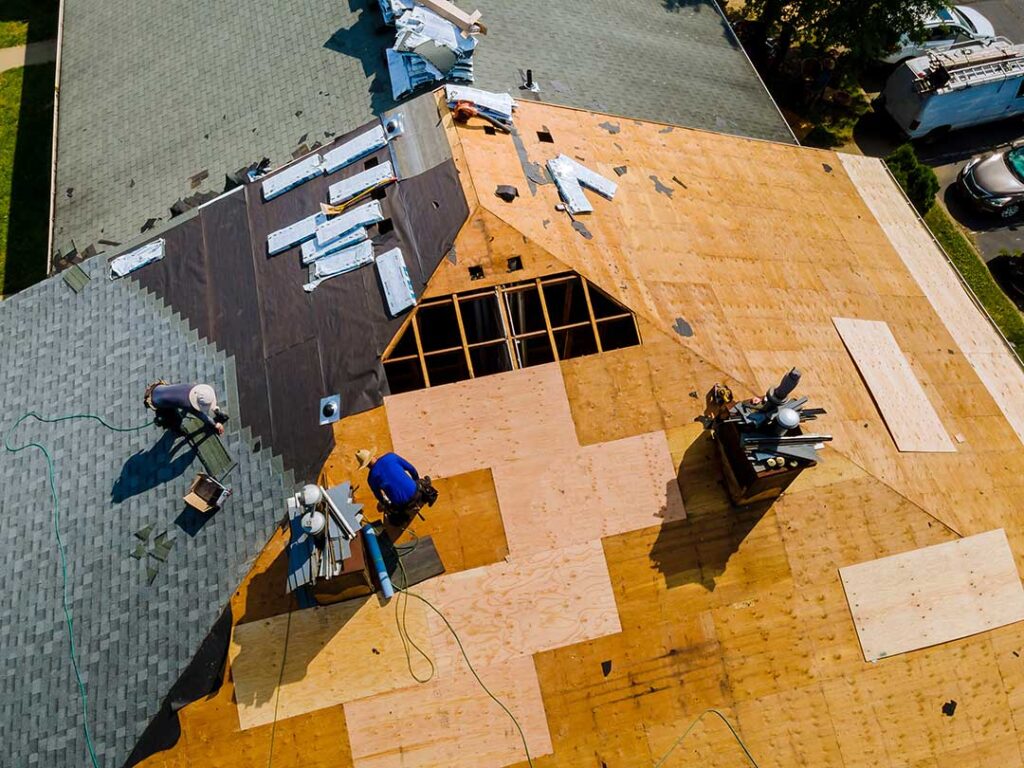
What Are the Main Differences Between Asphalt Shingles and Metal Roofing?
Asphalt shingles and metal roofing are two of the most common roofing materials used by homeowners in Apalachin, NY. They differ in materials, appearance, cost, expected lifespan, and how they handle the climate found in the region.
- Asphalt shingles are typically made of fiberglass or organic mat, coated with asphalt and mineral granules. They are flexible, easy to install, and available in a wide range of colors.
- Metal roofing can be made from steel, aluminum, or sometimes copper. Metal panels or shingles lock together, creating a durable and weather-resistant shell for the home.
Many residents choose between these two options based on budget, appearance preferences, and long-term maintenance expectations.
Which Roofing Material Stands Up Better to Weather in Apalachin, NY?
Both materials are designed to protect homes from the occasional heavy snow, ice, wind, and rain the region can experience, but their performance differs in specific scenarios.
- Asphalt shingles provide solid protection from rain and moderate winds. However, shingles can lift or lose granules over time, particularly during freeze-thaw cycles or high winds common in the area.
- Metal roofs excel at shedding heavy snow and ice, which can help reduce the risk of ice dams—a real concern for homes in this climate. Metal is also less likely to suffer damage from wind uplift or hail.
While asphalt shingles are still very common, metal roofing's growing popularity is often linked to its resilience in harsher weather typical of Apalachin winters.
How Long Do Asphalt Shingles and Metal Roofs Typically Last?
Homeowners often weigh the lifespan of asphalt shingles versus metal roofs when planning a roof replacement.
- Asphalt shingles in this region typically last 15–25 years, depending on the specific product and how well they are maintained.
- Metal roofing generally lasts 40–70 years with proper care, making it possible for a single installation to outlast several cycles of asphalt roof replacements.
It’s important to consider that tree coverage, moss growth, and roof pitch—all common factors in the area—can influence how long any roof lasts.
How Do Costs Compare Over Time?
Asphalt shingles usually have a lower upfront cost, which is one reason they are so widespread in the area. Metal roofing comes with a higher initial investment, but its extended life span can make it more economical over decades.
- *Upfront costs:* Shingles are often less expensive to purchase and install.
- *Longevity and value:* Metal roofing reduces the frequency of replacement, which may save significant money across 40 years or more.
- *Maintenance needs:* Asphalt may need more regular repairs or replacements, while metal roofs often require minimal intervention.
For homeowners looking for short-term affordability, asphalt might seem more attractive. Those planning to stay in their home for a long time may consider the long-term value of a metal roof.
Are Asphalt Shingles or Metal Roofs Better for Energy Efficiency?
Roofing can affect heating and cooling needs, especially in a place with cold winters and warm summers.
- Asphalt shingles are darker and can absorb heat in summer, which can increase cooling costs. However, many newer shingle types incorporate reflective technologies.
- Metal roofing naturally reflects more solar radiation, and lighter colors are especially effective. In winter, the insulation below either roof matters more for keeping warmth in.
Some residents assume metal roofs make houses colder, but proper insulation and ventilation keep attic spaces comfortable regardless of roofing type.
How Do Appearance and Noise Factor In?
Many homeowners are concerned with how their roof looks and sounds, especially with so many traditional and modern homes across Apalachin.
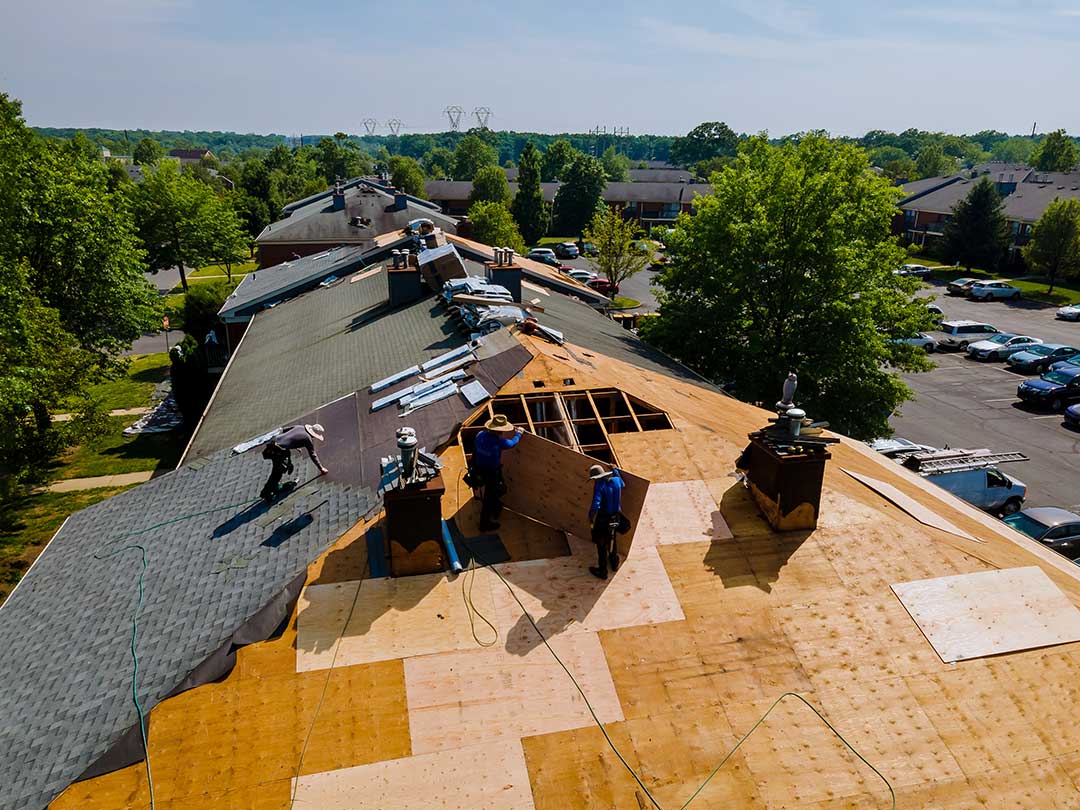
- Appearance: Asphalt shingles offer classic looks that fit well with both historic and newer homes. They come in various colors and shapes. Metal roofs offer both contemporary and traditional profiles, and color choices have broadened in recent years.
- Noise: A common misconception is that metal roofs are always loud in rain or hail. In reality, with proper attic insulation and solid decking (common in the area), noise levels are similar for both materials.
Residents can usually find options in either material that suit their taste and neighborhood character.
What Maintenance Is Needed for Each?
Maintaining a roof is a reality in this climate, due to seasonal changes and debris from local trees.
- Asphalt shingles need periodic inspection for missing, cracked, or curling shingles after storms. Moss or algae may need to be cleaned from shaded or damp areas.
- Metal roofs don’t attract moss or algae, but occasional checks for loose fasteners, damaged panels, or debris in valleys are wise.
Both roofing types benefit from seasonal attic ventilation checks, keeping gutters clear, and removing overhanging branches that could fall during storms.
Are There Any Special Considerations for Local Regulations or Insurance?
Most asphalt shingle and metal roofs meet local building codes, but certain homeowner associations or historic districts in Apalachin may have preferences or restrictions on roofing types and styles. It’s a good idea for residents to check community guidelines or consult with city officials regarding aesthetics, pitch, and approved materials before making a replacement decision.
Insurance coverage is usually available for both types, but some policies may offer discounts for metal roofs due to their fire resistance and durability.
What Are Common Mistakes or Misconceptions When Choosing Between Asphalt Shingles and Metal Roofs?
Some homeowners believe metal roofs always cost more in the end, or that metal cannot blend in with traditional neighborhood aesthetics. Others think asphalt is always the most practical choice because it's the most common.
The reality is more nuanced:
- Metal roofs can often match local architectural styles and may be more affordable over long periods.
- Not all asphalt shingle roofs are equal—quality, installation, and ventilation all play large roles in performance.
- Either option can be a solid investment if installed to meet local climate challenges and personal needs.
Understanding these points helps area residents make informed roofing decisions suited to the local climate and their own preferences.
