
Why Knowing Roofing Terms Matters for Apalachin, NY Homeowners
Understanding basic roofing terms can make conversations with roofers, insurance agents, or home inspectors much clearer. Homeowners in Apalachin, NY face specific weather patterns, from heavy snow in winter to heavy spring rains, so knowing the correct terminology helps when discussing repairs, replacements, or maintenance.
What Is a Roof Deck and Why Does It Matter?
The roof deck is the solid surface beneath the shingles or outer roofing material. In most homes in Apalachin, this is plywood or oriented strand board (OSB). It forms the base that supports everything else on your roof. If your roof deck is damaged by moisture, mold, or rot—common issues after extended leaks or heavy local snow—it can compromise the integrity of the entire roofing system. Local roofers often check the deck carefully during repairs, especially after ice dams or leaks related to winter storms.
What Does Underlayment Mean?
Underlayment refers to a protective layer installed between the deck and the shingles. The most common types used in this area are felt paper and synthetic sheets. Underlayment acts as a secondary barrier to keep water away from the wood deck, protecting against wind-driven rain or ice dams, both of which are concerns in the region. Many insurance policies reference the condition of the underlayment after storms or roof leaks.
What Are Asphalt Shingles?
Most area homes use asphalt shingles—rectangular, overlapping pieces laid in horizontal rows. Asphalt shingles are favored for their affordability and resilience against Apalachin’s changing temperatures and precipitation. When people mention “three-tab” or “architectural” shingles, they’re referring to different styles: three-tab shingles are flat and uniform, while architectural (sometimes called dimensional) shingles have a layered, textured appearance and offer improved durability.
What Is a Roof Valley and Why Is It Important?
A roof valley is where two downward-sloping sections of a roof meet. Rain, snow, and debris naturally funnel into valleys, so they are among the most leak-prone parts of a rooftop. Proper installation and flashing of valleys, especially in regions with abundant fall leaves and heavy wet snow, are critical to preventing water infiltration. Clearing roof valleys after autumn leaf fall or winter storms helps maintain their function.
What Are Flashing and Its Function?
Flashing is thin metal (often aluminum or galvanized steel) installed to direct water away from roof joints, chimneys, vents, skylights, and valleys. In the local area—where freeze-thaw cycles and puddling are frequent—well-installed flashing helps prevent leaks in the most vulnerable places on a roof. Rusted, bent, or missing flashing is a common cause of leaks and should be addressed as soon as it's noticed, especially before winter.
What Does the Term “Eave” Refer To?
The eave is the lower edge of the roof that overhangs the house walls. Eaves provide shade, help water fall away from the foundation, and are often where gutters are attached. In Apalachin, eaves also protect siding from leaf buildup and water splashback during frequent rain. Ice dams often form along the eaves in winter if attic insulation or ventilation is lacking.
What Are Soffit and Fascia?
- Soffit is the material visible under the roof overhang (from the ground looking up).
- Fascia is the vertical board along the roof edge where the gutters attach.
Soffit panels often include venting to help circulate air in the attic, which is crucial for preventing ice dam formation and mold growth in humid weather. Fascia protects lower roof edges from water intrusion and pest entry.
What Does Roofing Ventilation Involve?
Ventilation refers to the system that lets fresh air move in and out of the attic. Proper ventilation uses intake vents (often in the soffit) and exhaust vents (such as ridge, gable, or box vents). In climates with cold winters and humid summers, like Apalachin, good attic ventilation controls heat and moisture, extending shingle life and reducing the risk of mold or ice dams.
What Is an Ice Dam?
Ice dams occur when heat escaping from a home melts snow on the roof, which then refreezes near the eaves. This prevents melting snow from draining and can force water under shingles, leading to attic leaks and roof deck damage. Understanding this term and its causes is especially relevant for area households, as ice dams are a common winter problem locally due to fluctuating temperatures and older home insulation.
What Does “Roof Pitch” Mean?
Roof pitch describes how steep your roof is, usually written as a ratio (for example, 6:12 means the roof rises 6 inches for every 12 inches horizontally). Pitch affects snow shedding, water drainage, and shingle type selection. Steeper pitches are good for areas with heavy snow, helping prevent buildup that could otherwise stress or damage the structure.
What Are Gutters and Downspouts?
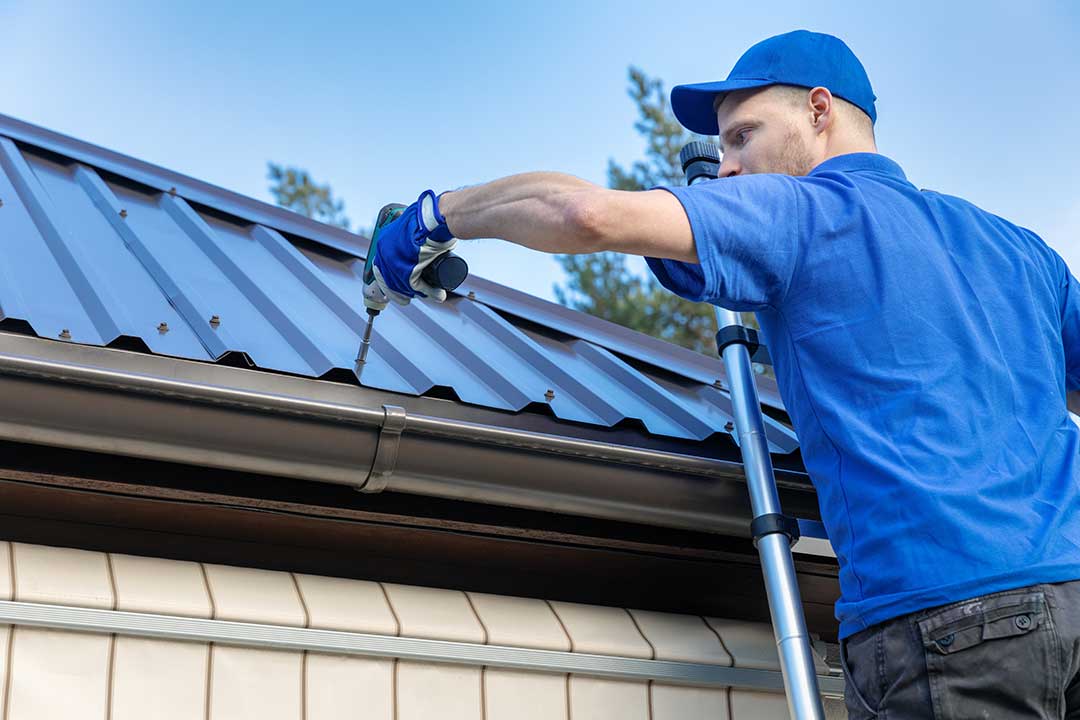
Gutters run along the eaves to catch rainwater, channeling it to downspouts that safely carry the water away from your house foundation. With the mix of rain and melting snow in Apalachin, well-maintained gutters and downspouts are critical to preventing soil erosion, basement leaks, and water damage from splashback. Regular clearing is especially helpful after local storms or autumn leaf fall.
How Does a Drip Edge Help?
A drip edge is a thin strip of metal installed at the roof’s edge, beneath the shingles and above the fascia. Its job is to direct water away from the roof deck and into the gutters, reducing the chance of wood rot and foundational water seepage. Though sometimes overlooked, the drip edge is a simple component that makes a big difference, especially in regions with freeze-thaw cycles.
Additional Terms Homeowners May Encounter
- Sheathing: Another term for the roof deck, usually plywood or OSB.
- Ridge Cap: Special shingles or pieces covering the roof’s peak for extra protection.
- Square: A measurement term; one “square” covers 100 square feet of roof area.
- Blistering: Bubbles on shingle surfaces caused by trapped moisture or poor ventilation.
- Granules: The small, textured pieces on asphalt shingles that protect against UV rays and add color.
Understanding these local roofing terms can make regular maintenance, storm damage assessment, or any renovation much less stressful for homeowners in the community. It also helps prevent confusion and empowers residents to make confident, informed decisions about their home’s most weather-exposed feature.
