
Why Focus on Roof Safety When Hanging Lights?
Attaching holiday lights to your roof is a traditional way to add seasonal cheer. Still, safety should always be the first priority—especially in a region like Apalachin, NY, where winters bring slick roofs and sometimes unpredictable weather. Even small mistakes can result in damaged shingles, personal injury, or costly repairs. Being thoughtful about each step helps area residents enjoy festive displays without unintended consequences.
What Are the Main Hazards When Hanging Lights on a Roof?
The risks associated with decorating a roof aren’t always obvious. The most common hazards in the community include:
- Slippery conditions from rain, snow, or ice
- Falls from ladders or rooftops
- Shingle damage from fasteners or heavy foot traffic
- Electrical risks, especially with older or damaged lights
All of these hazards are more pronounced in Apalachin’s climate, where cold-weather rain and ice can linger on shaded or north-facing roof sections. Planning around weather forecasts and using the right equipment helps to minimize these risk factors.
Which Tools and Accessories Are Safest for the Job?
Use purpose-built clips designed for roof installation. These clips fit securely along gutters and shingles without requiring nails, screws, or staples that could puncture roofing materials. Useful tools and supplies include:
- Plastic light clips rated for outdoor use
- A sturdy, well-maintained extension ladder (preferably with stabilizers)
- Outdoor-rated extension cords
- Non-slip shoes or boots with good traction
- Heavy gloves for cold protection and grip
- A spotter, especially if the ladder site is uneven or icy
Plastic clips are favored in the area not only for ease, but because they do not void warranties on shingle roofs or damage flashing around dormers and valleys. Avoid adhesive-backed hooks, which can freeze and then peel away shingle granules in cold temperatures.
How Should Residents Choose the Best Time to Hang Lights?
In Apalachin, seasonal temperature swings are frequent from November through January. Waiting for a clear, dry day with moderate temperatures greatly reduces the risk of slipping or shingle damage. Early afternoons—when any overnight frost has melted and sunlight has warmed roofing surfaces—are safer than mornings or evenings.
Before beginning, check weather reports for wind speeds and precipitation. Even light winds can destabilize a ladder or cause unsecured decorations to become airborne.
Where Is It Safe to Walk on the Roof—And When Should You Avoid It Entirely?
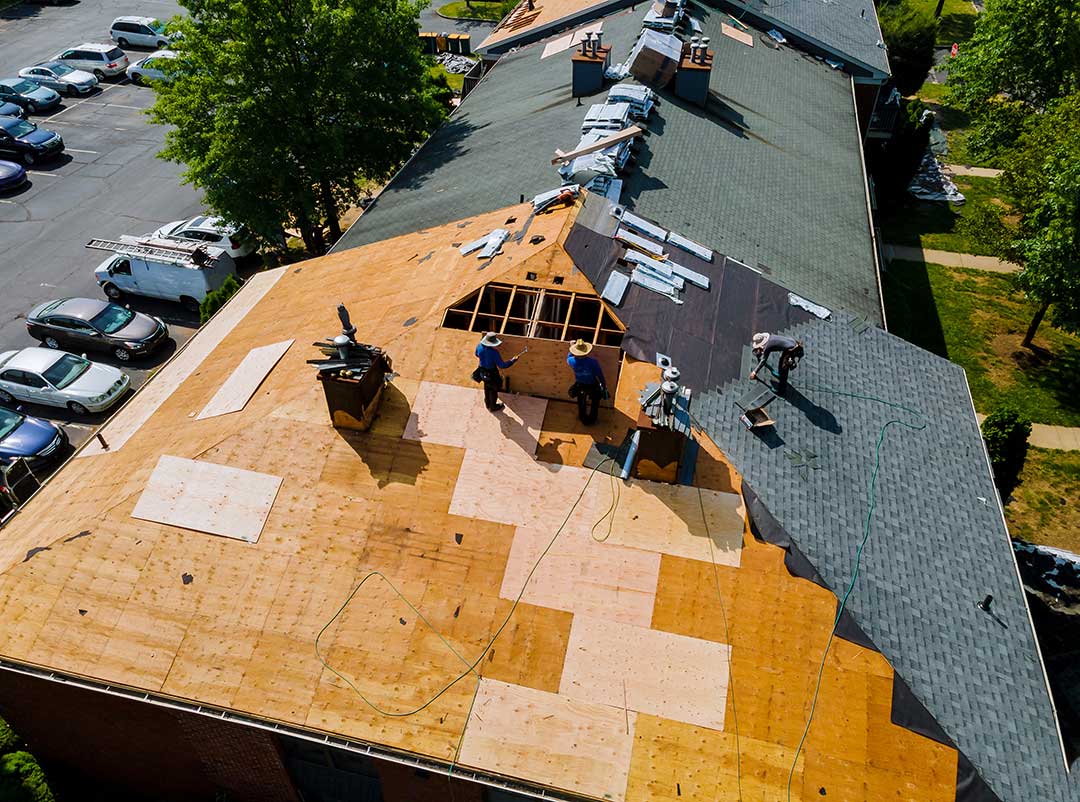
It’s safest to avoid walking on the roof whenever possible, especially if the architecture includes steep or high-pitched sections common in many homes in the community. If access on foot is necessary, keep to the lowest, flattest portions of the roof and step only where the roof decking provides solid support.
Never walk on surfaces with visible frost, ice, moss, or moisture. Similarly, skip roof access if there’s loose debris, snow, or leaves. Falls may occur quickly and unexpectedly, even at lower heights, due to cold-induced numbness in hands and feet.
For multi-story homes or roofs with complex angles, consider using long-reaching light-hanging poles from the ground or a secured ladder, avoiding roof walking altogether.
How Can Lights Be Attached Without Damaging Shingles, Gutters, or Flashing?
The safest approach is using non-invasive plastic clips that slide onto shingle tabs or gutter lips. These avoid puncturing or stressing roofing materials. Key reminders for local residents:
- Do not use nails, staples, or screws—these break the watertight seal and make roofs vulnerable to leaks, especially during the rainy season in Apalachin.
- Slide clips gently, avoiding excessive lifting or prying at shingles, which can displace granules and shorten the roof’s lifespan.
- String lights so that weight is evenly distributed and avoid stretching or pulling, which puts pressure on seams or delicate areas like gutter corners.
- Route extension cords away from sharp edges and friction points to reduce the risk of fraying or wear.
If you’re skeptical about clip strength, test using a few at a lower position before proceeding along the entire roofline.
What Are Local Considerations for Electrical Safety When Decorating?
Apalachin experiences both heavy rainfall and occasional freezes, so extra caution with electricity is warranted. Always use lights and extension cords labeled for outdoor use, as indoor products can become brittle or unsafe in low temperatures. Plug strands into ground fault circuit interrupter (GFCI) outlets to help prevent shocks or shorts if water infiltrates the line.
Before installation, inspect each light set for frayed wires, cracked bulbs, or corroded sockets. Limit the number of connected strings as recommended by the manufacturer to prevent overloading—this avoids tripped breakers and reduces fire hazards.
Many area homes have exterior outlets under shallow eaves or porches; cover all plug connections with safety-rated enclosures or heavy plastic bags sealed with weatherproof tape to keep out precipitation.
Are There Special Local Tips for Storing and Removing Lights?
Extreme cold and fluctuating temperatures in Apalachin can cause plastic clips and light cords to become brittle. Take down decorations on a similarly clear, warmer day to reduce the chance of breakage. Remove one clip at a time with gentle, consistent pressure, never yanking cords which could tug shingles or jostle gutters out of alignment.
Coil lights loosely and store them in a location protected from moisture, mice, and severe cold. This practice preserves both your hardware and your roof for years of future use, which is especially valuable given the investment area residents place in home upkeep.
