
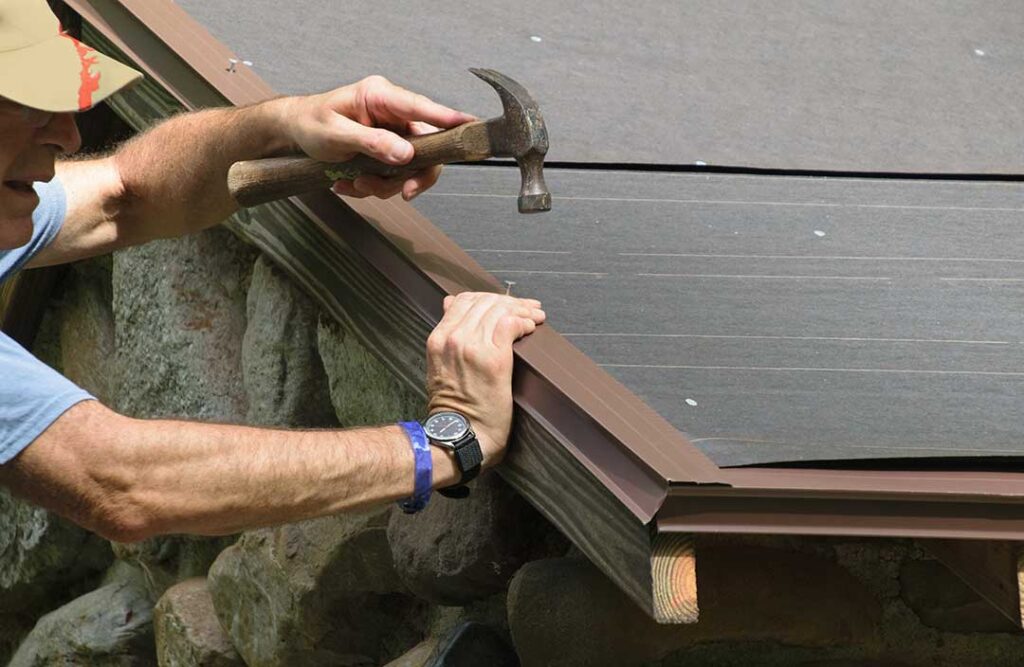
Why Accurate Roof Damage Documentation Matters in Apalachin, NY
Residents in Apalachin, NY know that heavy storms, icy winters, and high winds can take a toll on local roofs. For any homeowner, thorough documentation of roof damage is a critical first step toward navigating an insurance claim. Proper records can significantly affect how swiftly and fully a claim is processed, eliminating confusion between policyholders and insurance adjusters.
Apalachin’s variable climate—from lake-effect snow in winter to occasional summer hail—often results in specific types of damage. These local details influence what insurance companies expect to see when evaluating claims.
What Should You Document After Discovering Roof Damage?
Start with a clear, detailed record as soon as damage is noticed. Insurers typically look for proof of what happened, when it happened, and how extensive the harm is.
Practical steps include:
- Date-stamped photos showing wide views of your roof and close-ups of affected areas
- Descriptions of the visible damage (for example, “missing shingles on north slope” or “hail impact marks on gutters”)
- Notes about the time and cause, like “tree limb fell during windstorm on March 12”
Residents sometimes forget to record the entire affected area, or only take photos of extreme damage—leaving more subtle issues unverified. Be sure to include neighboring undamaged sections for context.
How and When Should You Take Photos?
The safest time to document a damaged roof is from the ground or with a drone if available. Climbing a roof can be hazardous, especially when surfaces are wet or icy, which is common during Central New York’s colder months.
For clear records:
- Take photos as soon as it is safe or weather allows—delays can make it harder to prove the true cause of damage
- Capture all elevations of the roof: front, back, and sides
- Use objects like yard tools or rulers for scale in close-up shots
- Show surrounding conditions (e.g., broken branches, hailstones on the ground)
Repeat the process over several days if the conditions change—for instance, if roof leaks worsen in the next rainfall.
What Paperwork Will Insurers in Apalachin Likely Require?
Local insurers generally expect:
- A written timeline of when the damage was first observed
- Any emergency repairs made to avoid further interior water damage or safety hazards (keep all receipts and service notes)
- Communication records with roofers or inspectors, if you’ve spoken to one for an initial assessment (not to seek repairs, but sometimes documentation from a professional helps verify severity)
Many insurance companies ask for proof of home maintenance. Keeping annual or seasonal maintenance checklists—itemizing when gutters were cleared or shingles inspected—can further support your claim, especially given the region’s fall leaf drop and spring thaw cycles.
Are There Details Unique to Apalachin That Homeowners Should Note?
Distinct to area households are issues like ice dams after heavy snows, which can cause hidden leaks beneath shingles as seen most winters in the region. Roofing materials used locally also matter: for instance, asphalt shingles may curl or shed granules, while metal roofs might dent after hail.
If severe weather recently affected other homes in the neighborhood, insurers are more likely to recognize a pattern and validate storm-related claims. Document any similar damage visible on homes nearby (from public walkways, not private property), and include local news reports if widespread storms struck the area.
Homeowners are sometimes unaware their policies exclude gradual wear-and-tear, covering only sudden damage such as that from storms, accidents, or falling debris. Highlighting the time and cause is especially important to help differentiate a claimable event from long-term deterioration.
How Do You Store and Share Records with Insurance Companies?
Digital organization makes sharing much easier. Save photos, videos, scanned receipts, and written notes in a single digital folder (cloud storage is a safe option). Label files with dates and brief descriptions for clarity.
- Email is the most common way to send information to insurers; ask the company for any file size limits or preferred formats
- Retain copies—do not hand over original paper documents unless specifically requested
- If mailing physical documents, use tracked shipping to confirm receipt
If the insurance company provides a dedicated claims portal, uploading files as instructed can streamline processing.
What If You Missed Damage After a Storm in Apalachin?
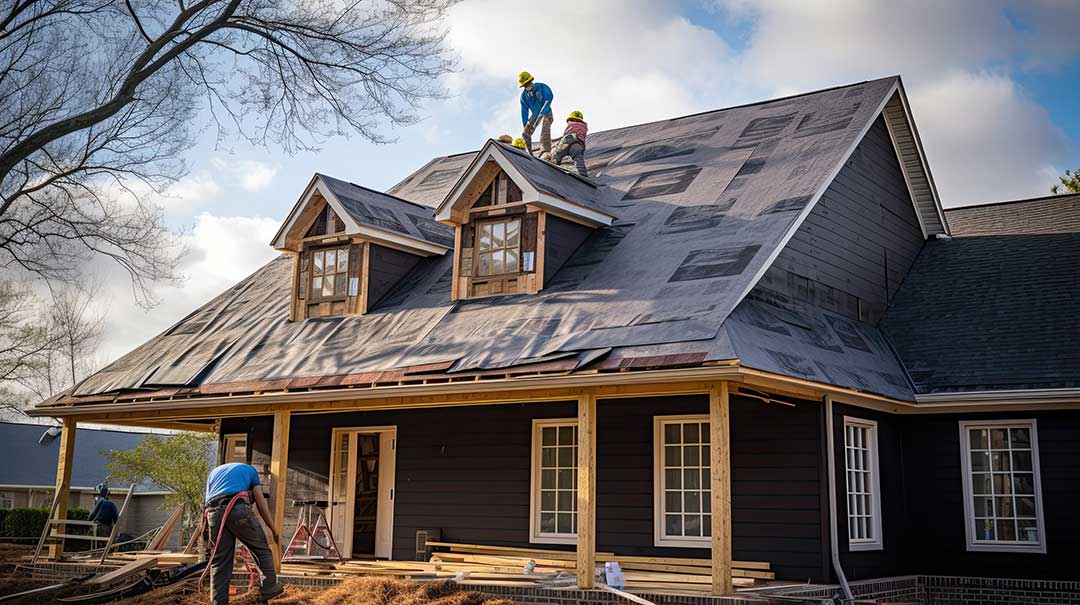
Damage may not be immediately visible, especially after storms typical in the region. Stains on interior ceilings, mold near attic eaves, or new drips during the next rainfall can emerge weeks later.
If later issues are found:
- Log the discovery date and describe any changes since the first inspection
- Continue photographic documentation, indicating with captions when new problems appeared
- Notify your insurer promptly with the updated information, making clear this is an extension of the original issue, if relevant
Delays in documenting new or spreading damage may complicate claims but providing clear records still supports your case.
Do Insurance Adjusters Always Visit the Property?
Insurance companies often send an adjuster to inspect damage, particularly after widespread storms. However, during minor events or when digital documentation is thorough, adjusters may rely on homeowner-provided photos and written accounts.
During in-person visits:
- Walk the adjuster through the damage as documented
- Share all organized documentation
- Answer questions honestly—if unsure about what happened, say so; speculation is less valuable than facts
In some cases, especially after regional events or during busy seasons, adjusters may conduct virtual assessments using your submitted records.
Common Mistakes in Roof Damage Documentation
Residents sometimes forget to:
- Note the date and suspected cause of roof damage
- Photograph from multiple angles or miss hidden areas (like valleys or flashing)
- Keep receipts and records for emergency repairs or materials purchases
- Store documentation in a safe, easily accessible format
Assumptions that minor damage doesn’t require documentation can lead to claims delays or denials if small issues worsen.
—
Apalachin faces a blend of stormy, snowy, and windy conditions that puts roofs to the test. Careful, timely, and organized documentation helps area households confidently handle insurance claims, especially when local weather proves unpredictable.
