
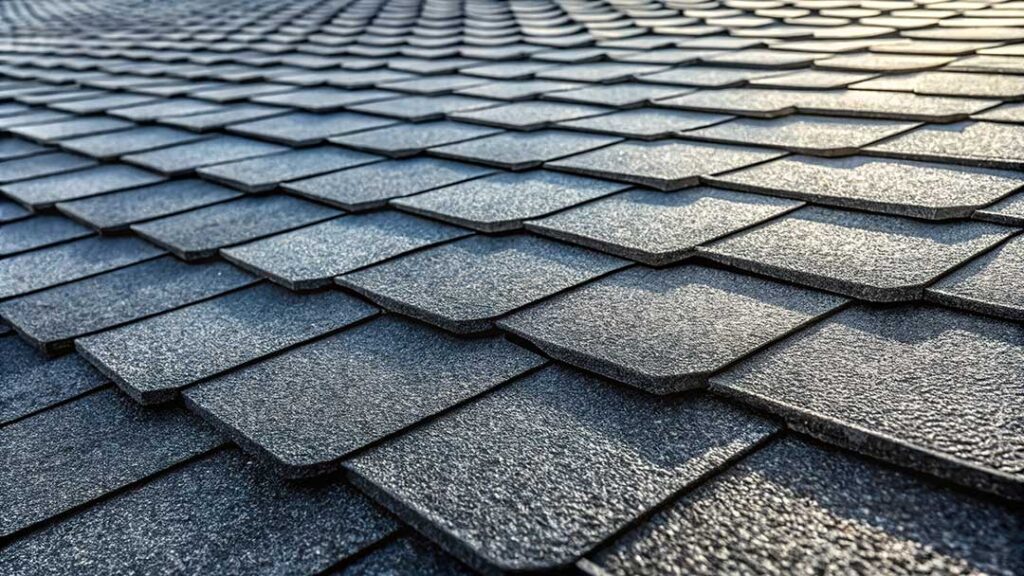
How Frequently Should Roof Inspections Take Place in Apalachin, NY?
Residents of Apalachin, NY generally benefit from scheduling roof inspections at least once a year, typically in the spring or early summer. This time frame offers the chance to spot winter weather damage and address any concerns before the onset of summer storms. However, certain situations could require inspections outside of this annual routine.
Seasonal variations in Apalachin lead to freeze-thaw cycles, snow accumulation, high winds, and sudden temperature shifts—all of which take a toll on roofing materials. Even newer roofs in the area can develop minor issues if not checked regularly.
What Local Weather Conditions Make Inspections More Urgent?
Roofing in Apalachin is exposed to distinct seasonal stresses, each carrying unique risks:
- Heavy Snow and Ice: Accumulation can lead to ice dams or hidden leaks, especially after particularly snowy winters.
- Rainy Springs: Roofs in the community may see leakage after repeated wet weather or if gutters are clogged.
- High Winds and Storms: Severe windstorms may dislodge shingles, flashing, or even cause tree branches to impact the roof.
- Sudden Temperature Swings: Rapid freeze and thaw cycles creep in during late winter and early spring, sometimes widening existing cracks or gaps.
After any major storm or noticeable event—like hail, hurricanes, or extended periods of soaking rain—a timely inspection is smart, regardless of when your last one took place.
Are There Visual Signs That Mean an Inspection Is Needed Sooner?
Some indicators suggest a roof should be checked by a qualified observer sooner than later. Watch for:
- Missing, curled, or damaged shingles
- Granule loss that appears as bald patches or accumulates in gutters
- Stains on ceilings or walls after rain or snowmelt
- Sagging spots in the roof deck or along eaves
- Moss or algae growth
- Loose or rusted flashing near chimneys and vents
Spotting any of these details during a simple ground-level check, after cleaning gutters, or while storing attic items should prompt an inspection, even if it has not been a full year since the last one.
What Situations Make Inspections More Critical for Area Households?
Certain households in Apalachin have circumstances that create a higher risk of issues:
- Older Roofs: Roofs nearing the end of their expected lifespan (typically 20-30 years for asphalt shingles) warrant more frequent attention.
- Recent Severe Weather: Storms unique to the region, like April windstorms, may cause immediate but subtle damage.
- Recent Repairs or Roof Work: If any roof repairs or new installations have happened, a follow-up inspection ensures the work is holding up as expected.
- Seasonal Homes: For those managing a second home or a rental property in town, inspection after winter and before tenant turnover is wise.
- Extensive Tree Cover: Overhanging branches add risk for physical impact, as well as accelerated moss or debris buildup.
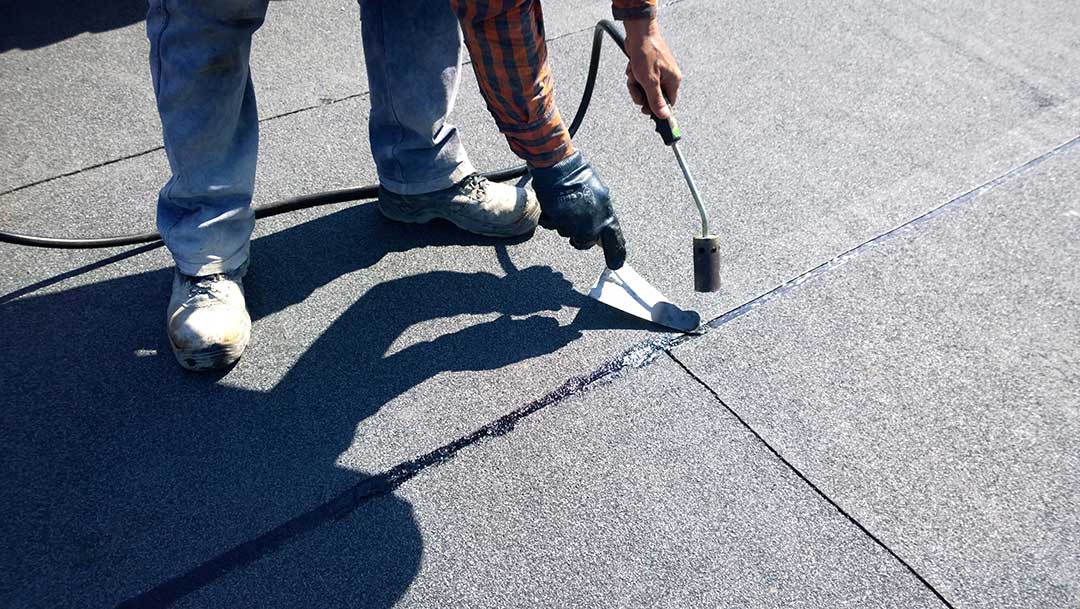
How Can Regular Inspections Save Money in the Long Run?
Sticking with a routine roof check can help Apalachin homeowners avoid expensive repairs—sometimes by catching problems before water seeps into insulation, sheathing, or living spaces. Preventing small leak repairs from escalating into structural rot or mold issues is especially valuable in a climate known for its humidity and precipitation.
Well-maintained roofs also support stable insurance costs and enhance property value in the local real estate market, which places high value on exterior condition due to weather unpredictability.
What Is Included in a Comprehensive Inspection?
While some residents choose to walk their roofs themselves, a full inspection typically involves:
- Examining surface materials for signs of wear or damage
- Checking for loose, missing, or damaged flashing around penetrations
- Inspecting gutters and downspouts for clogs or shingle granules
- Assessing attic spaces for visible water stains or daylight through the roof deck
- Reviewing soffits and fascia for rot or animal intrusion
For steep roofs, high stories, or complex structures, prioritizing safety is essential. If hazards exist, stick to groundwork observations and visual attic checks.
Can You Perform a DIY Inspection, and What Are Its Limits?
Apalachin residents often start by walking the property's perimeter using binoculars or a camera zoom to check for missing shingles, odd discoloration, or slipped flashing. Climbing onto the roof is not recommended unless comfortable with heights and safety precautions.
While do-it-yourself checks spot the most obvious issues, some problems—like leaks tracing from hidden roof valleys or beneath flashing—might escape notice, meaning deeper issues could go unresolved unless a thorough inspection is performed periodically.
How Do Insurance and Local Lender Requirements Affect Inspection Timing?
Some homeowners insurance policies or local lenders require proof of regular roof inspections, especially following storm claims or before issuing a new policy. Area buyers and sellers may also need documentation when transferring properties.
Staying proactive with inspection timing often speeds up insurance claim processing or property sales, as inspection paperwork is available when needed and does not delay real estate transactions or coverage renewals.
