
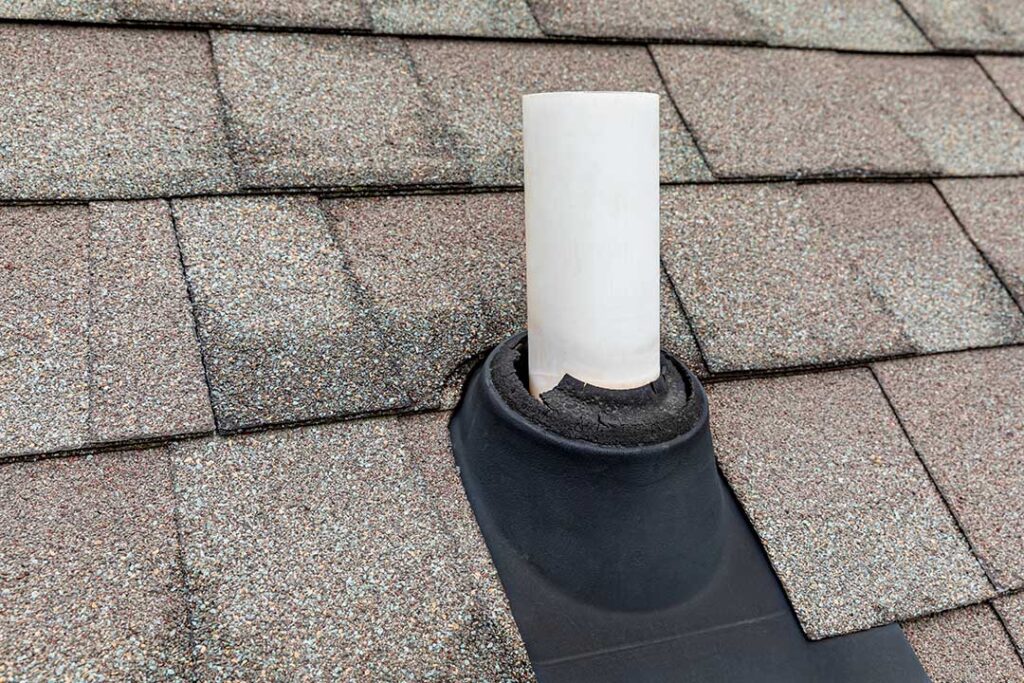
What is roof decking, and why does it matter?
Roof decking is the structural layer installed over the roof framing and beneath the underlayment and shingles. It provides the solid surface that supports the roofing materials and helps transfer weight to the rafters or trusses.
In Apalachin, NY, roof decking can be affected by repeated exposure to rain, snow, ice, wind-driven moisture, and seasonal temperature changes. Damage may remain hidden for a long time because shingles can look acceptable while the wood beneath them is weakening.
Roof decking usually needs attention when moisture has caused decay, fasteners no longer hold securely, or the panels have begun to sag, soften, or separate.
What signs can be seen from inside the attic?
The attic often provides the clearest view of decking problems because the underside of the roof panels is exposed. Look for:
- Dark stains or streaks on the wood
- Soft, crumbly, or punky areas
- Visible mold-like growth caused by persistent dampness
- Rusted nails or corroded metal fasteners
- Water droplets or damp insulation
- Daylight showing through places that should be sealed
- Roof panels that appear bowed between framing members
A small stain does not always mean the decking must be replaced. It may reflect an old leak that has already been corrected. However, dampness, softness, or active dripping suggests that the condition should be evaluated promptly, especially before the next period of heavy rain or snow.
Attic inspection should be performed carefully. Walking only on the framing members is safer than stepping directly on the decking, which may be weak or hidden beneath insulation.
Can roof decking problems be noticed from outside?
Sometimes. Exterior warning signs include dips, waves, or uneven areas in the roof surface. These irregularities may be caused by damaged decking, but they can also result from aging shingles, installation problems, weakened framing, or trapped moisture.
Other exterior clues include:
- Shingles that appear sunken between rafters
- Sections that feel unusually soft underfoot
- Repeatedly loose or lifted shingles
- Nail heads that rise through the roofing surface
- Areas where shingles do not lie flat
- Granules collecting heavily near a downspout after roof movement
- Moss or debris that keeps the roof surface damp
A roof should never be walked on casually to test for soft spots. Hidden decay can make a surface unsafe, and walking on shingles can cause additional damage. Visual observations from the ground, attic, or a safely accessible roof edge are more appropriate.
What does a ceiling stain reveal about the decking?
A ceiling stain indicates that water entered the building at some point, but it does not identify the exact location of the leak. Water can travel along rafters, roof decking, insulation, and ceiling materials before appearing indoors.
Common sources include damaged flashing, roof penetrations, missing shingles, ice-related water backup, and deteriorated sealants. If the leak continues long enough, the decking around the entry point may absorb water and begin to decay.
A stain that feels dry may still deserve attention. The roof may be leaking only during wind-driven rain, melting snow, or a particular direction of weather. Repainting the ceiling without finding the source can hide the visible evidence while the structural wood continues to deteriorate.
How does snow and ice affect roof decking in this area?
Snow itself does not automatically damage roof decking. The greater concern is prolonged moisture, repeated freeze-thaw cycles, and water that becomes trapped around roof edges or penetrations.
During winter, melting snow can refreeze near colder roof edges and interfere with drainage. Water may then move beneath shingles and into the decking. Heavy snow loads can also place additional stress on roof framing, particularly when the structure already has weakened or sagging areas.
After a major winter weather event, useful observations include:
- New ceiling stains
- Ice buildup along roof edges
- Sagging roof lines
- Water in the attic
- Wet insulation
- Shingles displaced by wind or ice
Removing snow from a roof can be hazardous and may damage shingles or flashing if done improperly. Roof access during icy conditions should be avoided unless it is necessary for immediate safety.
Does a soft spot always mean the decking must be replaced?
Not always, but soft decking is a serious warning sign. The final decision depends on the extent and cause of the weakness.
A small area may be affected by a localized leak and could require limited repair after the moisture source is corrected. Larger sections may need replacement if the wood has lost its ability to hold nails, support shingles, or resist bending.
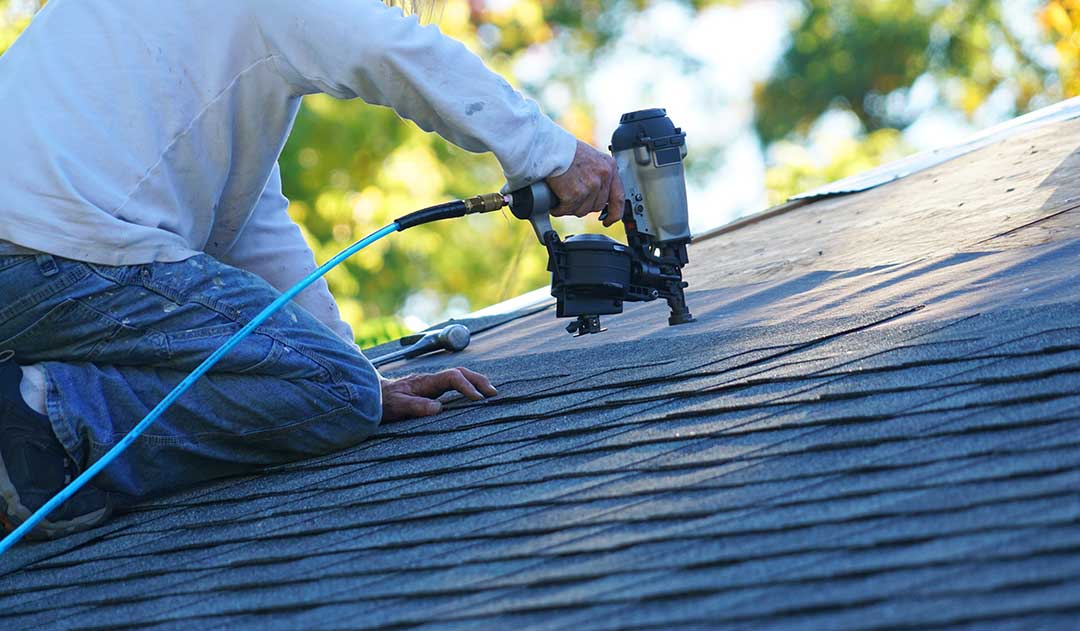
Decking may also need attention when fasteners pull out repeatedly. Even if the wood does not look severely rotten, poor fastener holding power can contribute to loose roofing materials and future leaks.
Replacement is more likely when the decking is:
- Soft across a broad area
- Delaminated or separating into layers
- Mold-damaged from long-term dampness
- Sagging between framing members
- Unable to hold roofing nails securely
- Stained and wet around an active leak
The underlying leak must be corrected as part of the repair. Replacing wood without addressing the water source only treats the symptom.
What problems are commonly mistaken for damaged decking?
Not every roof irregularity comes from the decking. Curled shingles, failed underlayment, poor ventilation, uneven framing, and installation defects can create similar appearances.
For example, a wavy roof may reflect shingle aging rather than structural wood failure. A dark attic mark may be caused by condensation instead of a direct roof leak. Condensation is more likely when warm, moist household air enters a cold attic through gaps around light fixtures, plumbing penetrations, fans, or attic access panels.
Proper diagnosis usually involves comparing several clues:
- The location of indoor stains
- The condition of the attic wood
- Whether the area is wet or merely discolored
- The pattern of exterior shingle movement
- The presence of ventilation or condensation concerns
- Whether damage appears around flashing, valleys, or roof penetrations
This distinction matters because replacing decking will not solve a ventilation-related moisture problem.
When is damaged roof decking a safety concern?
Immediate caution is warranted when the roof is visibly sagging, the attic floor or roof structure feels unstable, water is entering near electrical components, or a large section of decking appears severely deteriorated.
Keep people away from areas below active leaks, particularly where ceiling materials are bulging. Water can make drywall heavy enough to fall, and moisture near electrical fixtures can create a shock or fire hazard.
Structural concerns, unsafe roof access, and electrical hazards are situations that require qualified in-person assessment. Homeowners should not crawl across questionable decking or attempt repairs during rain, ice, strong wind, or active snowfall.
How can homeowners monitor the condition?
A simple seasonal check can identify changes before they become extensive. Inspect the attic after heavy rain, strong wind, or a significant snow and ice event. Look for fresh moisture, new stains, damp insulation, and changes in the shape of the roof panels.
Keep gutters and drainage paths clear of leaves and debris, but avoid using roof work as a do-it-yourself task when surfaces are steep, wet, icy, or unstable. Record the location of stains and photograph changes from a safe position. Tracking whether a mark expands or appears only after certain weather can help distinguish an active leak from an old one.
Roof decking is hidden, but its condition can often be inferred from attic evidence, roof movement, indoor stains, and recurring moisture. Early attention is especially useful in a climate where roofs regularly face rain, snow, freezing temperatures, and rapid seasonal changes.
