
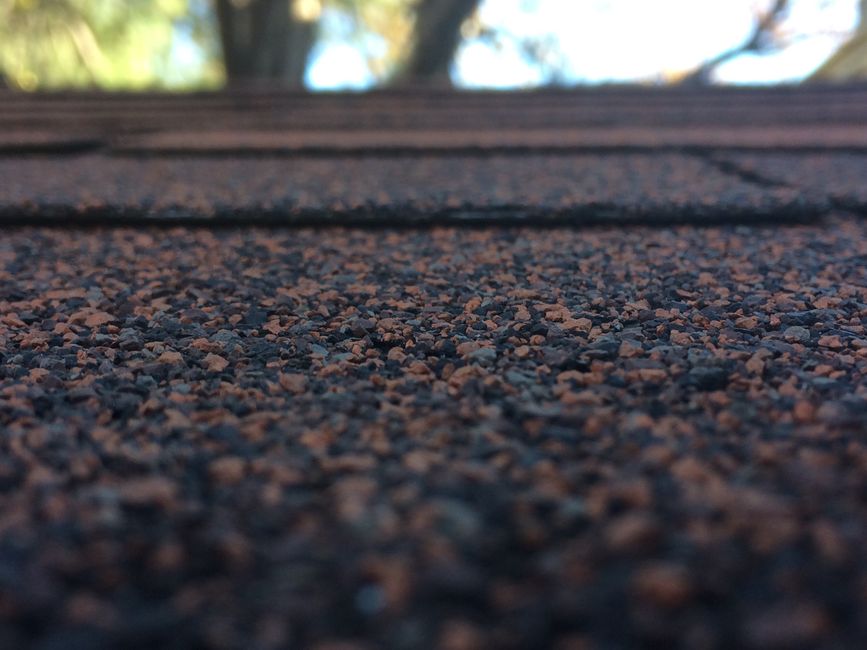
Roof stains are not always a sign that a roof is failing, but they should not be ignored. Dark streaks, brown patches, green growth, and water marks can point to algae, moss, trapped moisture, damaged materials, or a leak that has already reached the attic or ceiling.
In Apalachin, seasonal rain, snow, ice, leaf buildup, and changing temperatures can all contribute to roof staining. The safest response is to identify the type of stain, look for related warning signs, and avoid cleaning methods that damage roofing materials.
What do dark streaks on shingles usually mean?
Dark or black streaks running downward across asphalt shingles are often caused by algae growth. The discoloration may look like dirt, but it commonly develops when moisture remains on the roof and airborne particles settle into the shingle surface.
Algae are more likely to appear on roof sections that receive limited sunlight or remain damp after rain. Nearby trees, roof orientation, clogged gutters, and poor air circulation around the roof can all contribute.
Algae staining is usually more of an appearance and surface-moisture concern than an immediate structural emergency. However, persistent moisture can encourage other growth and make it harder to identify genuine roof damage.
A dark streak is less likely to be simple algae if it is accompanied by:
- Missing, cracked, or lifted shingles
- Soft or sagging roof areas
- Damp attic insulation
- Water marks on ceilings or walls
- Staining that becomes darker after rain
- A musty odor indoors
How can moss and lichen affect a roof?
Moss grows in damp, shaded conditions and may appear as green clumps along shingle edges, in valleys, or near roof areas covered by leaves. Lichen can look like pale green, gray, or whitish crusts attached to the surface.
Moss is more concerning than flat algae staining because it can lift the edges of shingles as it grows underneath them. Lifted shingles are more vulnerable to wind, rain, ice, and snow. Moss can also hold water against the roofing material, increasing the time the roof stays wet.
Do not pull moss from shingles by hand. Removing it aggressively can strip away protective granules or tear the shingle surface. Scraping, pressure washing, and stiff-bristle brushing can cause similar damage.
If growth is limited, a careful cleaning approach may be possible, but the method must match the roofing material and manufacturer’s guidance. Some cleaning chemicals can damage plants, siding, painted surfaces, metal components, or nearby soil. Runoff also needs to be controlled.
What causes brown or yellow stains on ceilings?
Brown or yellow ceiling stains usually indicate water intrusion, even if the roof looks acceptable from the ground. The water may come from damaged shingles, flashing, roof penetrations, ice dams, or a leak around a chimney, vent, skylight, or other opening.
A ceiling stain does not always appear directly beneath the leak. Water can travel along rafters, roof decking, insulation, wiring, or framing before becoming visible indoors. For that reason, looking only above the stained room may not reveal the entry point.
A stain that appeared after heavy rain, wind, or melting snow deserves prompt attention. Place a container beneath active dripping and move furniture or other valuables away from the area. If water is near a light fixture, electrical outlet, or wiring, avoid touching the fixture and shut off power to the affected area only if it can be done safely.
A ceiling mark may remain after a leak has been repaired. The stain should not be painted over until the source is corrected and the affected materials are fully dry.
Are roof stains always caused by a roof leak?
No. Some stains are caused by surface growth, airborne pollution, rust, decomposing leaves, or residue from metal components. A roof can also have a leak that is not yet visible indoors.
Possible sources of staining include:
- Algae, moss, or lichen
- Wet leaves and organic debris
- Rust from exposed fasteners, flashing, or metal vents
- Deteriorated sealant around roof penetrations
- Water backing up behind clogged gutters
- Condensation caused by poor attic ventilation
- Ice dams formed during freeze-and-thaw conditions
The pattern provides useful clues. Vertical dark streaks often suggest algae. Green, raised growth may indicate moss. Rust-colored marks near metal parts may point to corrosion. Interior brown spots, bubbling paint, or damp insulation suggest that moisture has entered the building.
Because several causes can look similar, staining should be evaluated alongside the roof’s age, material, drainage, attic condition, and recent weather.
How should roof stains be cleaned?
The safest cleaning method is gentle and controlled. For many asphalt shingle roofs, a low-pressure application of an appropriate cleaning solution may loosen algae or moss without removing the protective granules. The roof should not be treated like a sidewalk or driveway.
Avoid:
- Pressure washing
- Walking unnecessarily on older or brittle shingles
- Scraping growth with metal tools
- Using strong solvents or undiluted household chemicals
- Mixing cleaning products
- Allowing runoff to damage landscaping or exterior finishes
- Working on a wet, icy, steep, or snow-covered roof
Roof cleaning can also create a fall hazard. Ladders may shift on wet ground, and roof surfaces become slippery when algae or cleaning solutions are present. In winter and early spring, hidden ice can remain in shaded areas even when the rest of the roof appears clear.
For a one-story structure with safe ground access, clearing leaves from gutters and low roof edges may be reasonable with proper equipment. Reaching higher areas, treating heavy growth, or working near overhead electrical lines presents greater risk.
What roof checks are useful after winter?
After snow and ice have cleared, inspect the roof from the ground with binoculars rather than climbing onto it. Look for uneven shingle lines, exposed underlayment, missing sections, damaged flashing, sagging areas, and debris collecting in valleys.
Also check the attic on a dry day and after rainfall. Look for:
- Damp insulation
- Darkened roof decking
- Water trails or stains
- Mold-like growth
- Daylight visible through the roof
- Condensation on nails or metal surfaces
In the local climate, freeze-and-thaw cycles can enlarge small cracks and loosen materials that appeared intact in autumn. Snow sliding from a roof can also damage gutters, trim, or lower roof edges.
When does a roof stain require immediate attention?
A stain needs prompt attention when water is actively entering the home, the ceiling is bulging, the roof is sagging, or electrical components may be wet. These conditions can worsen quickly and create safety hazards.
Urgent warning signs include:
- Active dripping during rain or snowmelt
- A rapidly expanding ceiling stain
- Bubbling or collapsing drywall
- A strong musty smell
- Large areas of missing shingles
- A visibly sagging roof section
- Water near electrical equipment
- Heavy moss lifting multiple shingle edges
Small exterior stains without signs of moisture inside may allow time for careful observation, but they still deserve documentation. Photograph the area from the ground, note when it changes, and compare it after major storms.
Can roof stains be prevented?
Some staining can be reduced through routine roof and drainage maintenance. Keep gutters and downspouts clear, trim branches that shade the roof or drop heavy debris, and maintain airflow through the attic. Leaves should not be allowed to remain in roof valleys or against lower shingle edges.
Do not seal attic vents simply because the roof has stains. Poor ventilation can trap heat and moisture, contributing to condensation and premature material deterioration. Ventilation must balance intake and exhaust rather than relying on a single opening.
When replacing roofing materials, color and exposure also affect how visible algae becomes. However, no shingle is completely immune to staining. Regular observation remains useful even when a roof looks clean after installation.
