
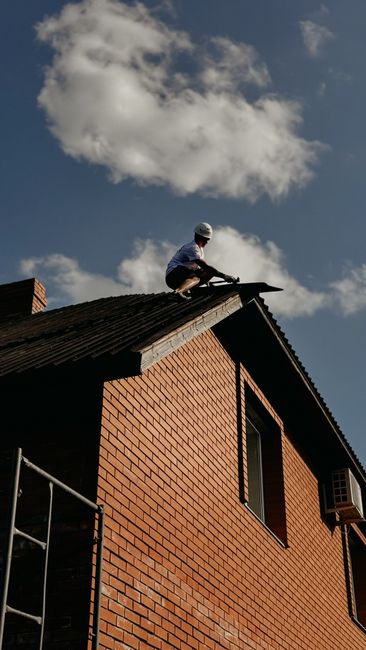
Renovation work can protect a home’s value and comfort, but it can also expose the roof to damage that is easy to overlook. In Apalachin, NY, projects must account for changing weather, freeze-thaw cycles, heavy rain, wind, and periods of snow. Careful planning helps prevent punctures, leaks, blocked drainage, and damage caused by construction traffic.
Which renovation activities create the greatest roof risk?
Roof damage is most likely when workers, materials, tools, or temporary structures come into contact with roofing surfaces. Additions, dormers, solar-related work, chimney repairs, siding projects, window replacement, and exterior painting can all affect the roof even when the roof itself is not being replaced.
Common risks include:
- Punctures from dropped tools, fasteners, or temporary supports
- Crushed or broken shingles from repeated foot traffic
- Scratches or dents caused by ladders and scaffolding
- Improperly installed flashing around new walls, vents, or skylights
- Water entering through partially completed sections
- Gutters and downspouts becoming blocked with debris
- Ice, snow, or rain accumulating around unfinished work
A roof may continue to look normal after minor construction damage. Leaks sometimes appear weeks later, after water reaches insulation, sheathing, ceilings, or wall cavities.
How should the roof be inspected before work begins?
A pre-renovation inspection creates a clear record of the roof’s condition and identifies weak areas before construction starts. The inspection should cover shingles or other roofing materials, flashing, valleys, vents, chimneys, gutters, downspouts, roof edges, and attic areas below the work zone.
Photographs are useful, especially for:
- Existing cracked, curled, loose, or missing shingles
- Rusted or lifted flashing
- Sagging gutters
- Soft areas in roof decking
- Water stains or damp insulation in the attic
- Existing leaks around chimneys, skylights, and plumbing vents
This documentation helps distinguish pre-existing problems from damage that occurs during renovation. It also gives the project team a practical map of areas that need protection.
A roof that is already near the end of its service life may not tolerate repeated access or temporary loading as well as a newer roof. That does not automatically mean the roof must be replaced before remodeling, but it should affect the work plan.
What protection should be used while materials are moved?
Roofing surfaces should not be treated as general-purpose walkways or storage areas. Materials belong on the ground, on properly designed platforms, or in other locations that do not place unnecessary weight on the roof.
If workers must access the roof, they should use designated paths and suitable roof-access equipment. Protection boards, walk pads, or temporary platforms can reduce concentrated pressure, but they must be installed so they do not trap water, scrape the roof, or interfere with drainage.
Several precautions are especially useful:
- Keep bundles of shingles, lumber, tiles, and tools off the roof unless the roof structure and work plan allow temporary loading.
- Do not drag boards, ladders, tarps, or equipment across shingles.
- Use ladder stabilizers and padded contact points where ladders meet roof edges.
- Keep metal edges, nails, and fasteners away from exposed roofing.
- Remove temporary coverings before they loosen, collect water, or become damaged by wind.
Heavy materials can stress roof framing even without causing visible surface damage. The location and weight of stored materials should be planned rather than decided during the workday.
How can a roof be protected during an addition or dormer project?
Additions and dormers create some of the highest roofing risks because they require sections of the existing roof to be opened, cut, or connected to new walls. The transition between old and new construction must be protected from rain throughout the project.
An exposed roof opening should be covered with a properly secured temporary weather barrier. Loose plastic sheeting is not a complete roofing system and can allow water to collect, blow underneath, or enter through fastener holes. Temporary coverings should be sloped where necessary, secured without damaging finished roofing, and checked after strong wind or rain.
Work should be staged so that roof openings are not left exposed longer than necessary. Before a weather system arrives, the crew should verify that:
- All roof openings are covered
- Temporary flashing is secured
- Water has a clear path away from walls and openings
- Debris cannot block gutters or valleys
- Loose materials cannot blow across nearby roofs
In this region, a project may face rain, wet snow, or freezing temperatures within a short period. Weather protection must therefore remain effective overnight and during work interruptions, not only during active construction.
What should homeowners know about tarps and temporary coverings?
Tarps can reduce short-term exposure, but they are not a substitute for finished roofing or properly installed temporary protection. A tarp that is too small, loosely fastened, or placed over sharp debris may create more problems than it solves.
A temporary covering should not:
- Hold standing water against the roof
- Cover or block active drainage paths
- Rub continuously against shingles in the wind
- Depend only on a few exposed nails or staples
- Remain in place after it becomes torn or waterlogged
Homeowners should inspect temporary coverings from the ground after heavy rain or wind. Climbing onto a wet, icy, or unfamiliar roof creates a fall hazard and is not a safe way to perform routine checks.
How should gutters, downspouts, and drainage be managed?
Construction debris can quickly clog roof drainage. Sawdust, roofing granules, insulation, leaves, nails, and fragments of siding may collect in gutters and downspouts. If water cannot drain, it can overflow behind gutters, soak fascia boards, or back up beneath roof edges.
Downspouts should discharge water away from the foundation and remain connected during the renovation. If they must be temporarily moved, the replacement route should still direct water away from the building.
Gutter guards are not designed to handle unlimited construction debris. Even when guards are present, gutters and downspouts may need inspection during and after the project.
Particular attention is useful after:
- Roof cutting or framing
- Siding replacement
- Chimney or masonry work
- Tree trimming near the house
- Heavy rain or wet snow
- Removal of temporary scaffolding
Can renovation work damage attic ventilation?
Yes. Remodeling can unintentionally block soffit vents, ridge vents, gable vents, or other ventilation paths. Insulation, framing, paint, and temporary coverings may restrict airflow.
Poor ventilation can contribute to moisture buildup, condensation, mold growth, and premature aging of roofing materials. During attic or ceiling work, ventilation openings should remain clear unless the design is being intentionally changed and replaced with an appropriate system.
Bathroom and kitchen exhaust ducts also need to terminate outdoors rather than releasing moist air into the attic. Renovation is a good time to verify that these ducts are insulated where needed, securely connected, and routed correctly.
What should be checked after the renovation is complete?
A final roof review should occur after ladders, scaffolding, temporary coverings, and debris have been removed. The review should look for displaced shingles, exposed fasteners, damaged flashing, punctures, loose pipe boots, blocked drainage, and marks from equipment.
Inside the home, check ceilings, upper walls, attic insulation, and areas around roof penetrations for new dampness or staining. Some leaks appear only during wind-driven rain, so the roof should be observed through more than one weather event when possible.
Any suspected damage should be documented promptly. Safety concerns, structural issues, active leaks, or work involving steep, icy, or unstable roofing conditions may require qualified assistance because roof access presents serious fall hazards.
Which renovation habits prevent the most roof damage?
The most effective approach is simple: plan roof access before work begins, keep materials organized, protect unfinished areas from changing weather, and inspect drainage regularly. A roof should be treated as a finished building component, not as a convenient staging surface.
For households managing renovations through wet springs, snowy winters, and sudden temperature changes, daily attention to temporary protection can prevent a small construction problem from becoming interior water damage.
